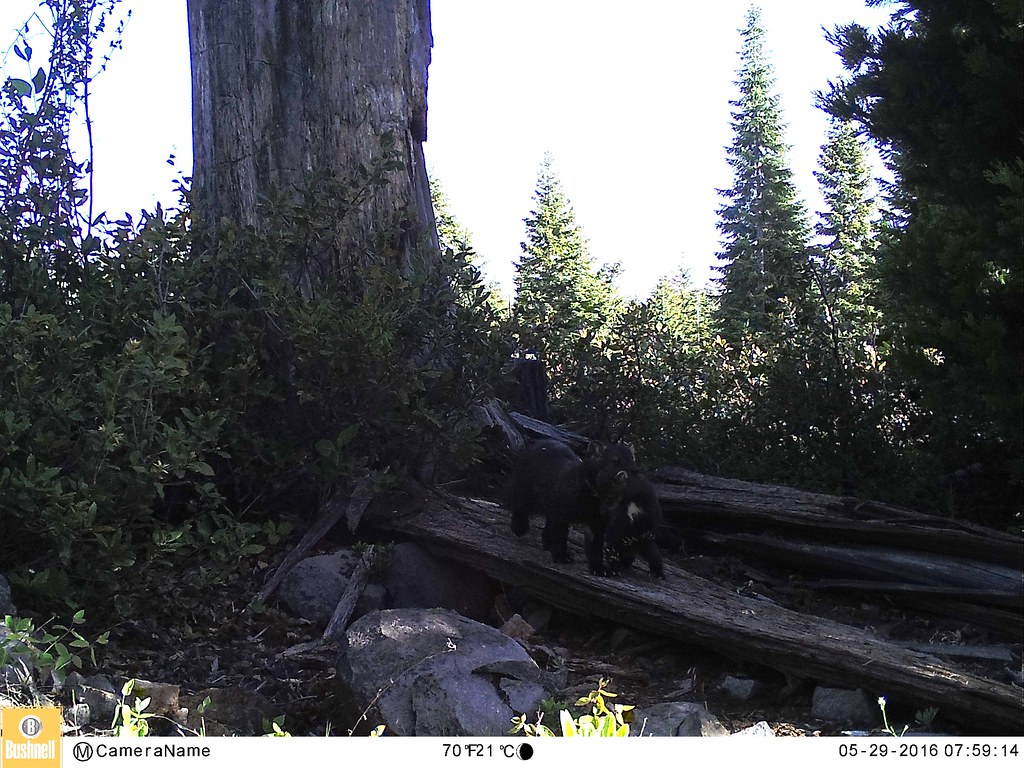
The trap had been set in a stand of pitch pine off Sooy Place Road, eight miles north of Chatsworth, on the night of May 12. By the time Karen Vasquez of the New Jersey Division of Fish and Wildlife rolled her pickup down the sand track at 6:14 the next morning, the culvert door was down and a yearling male was breathing slowly inside.
He weighed an estimated 142 pounds. The bait, two pounds of glazed doughnuts and a quart of used fryer oil, had done its work.
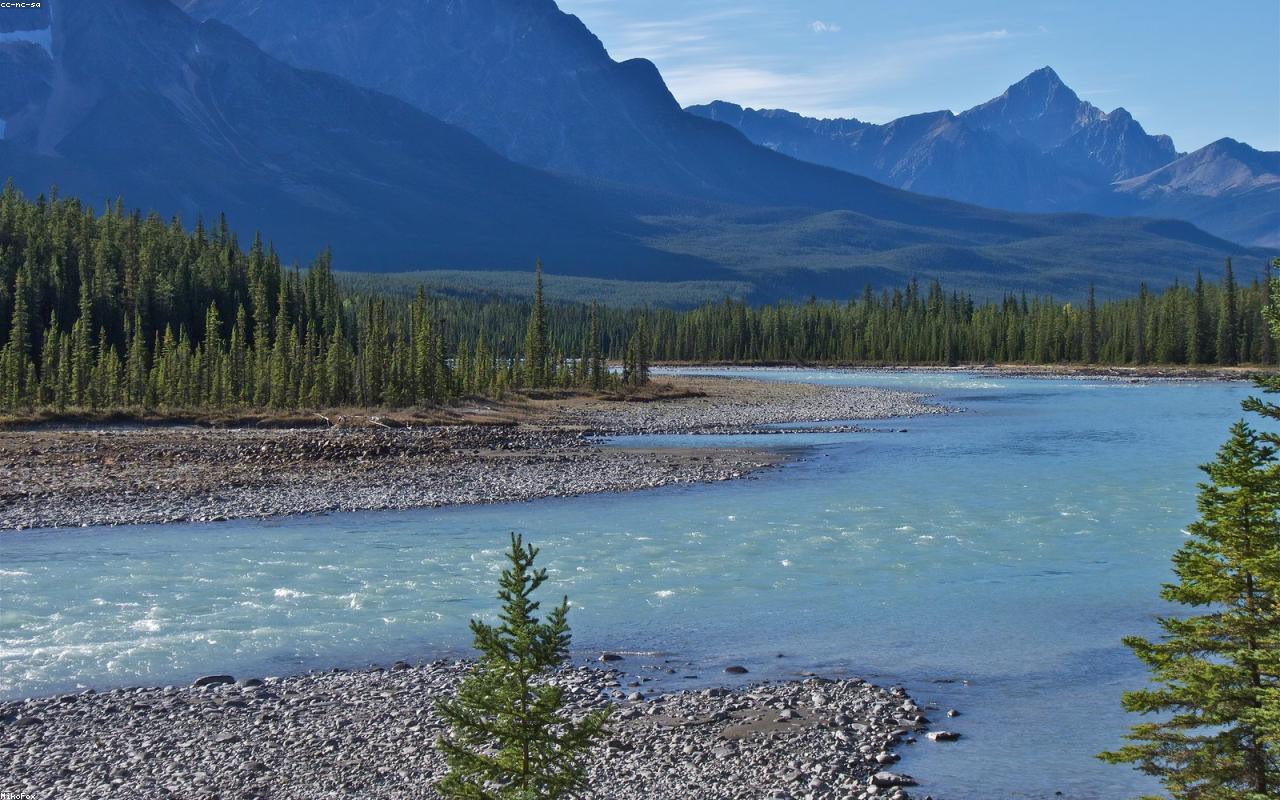
The Pine Barrens cover roughly 1.1 million acres of southern New Jersey, a sandy, fire-adapted forest sitting on top of the Kirkwood-Cohansey aquifer. For most of the twentieth century the bears were considered locally extirpated. The first confirmed denning record in Burlington County came in 2003. By 2026 the state's southern population estimate sits between 80 and 140 animals.
Vasquez has been part of the southern monitoring crew since 2019. She is thirty-four, drives a 2014 Ford F-150 with 188,000 miles on it, and keeps a hand-bound field notebook in the breast pocket of her uniform shirt.
The work that morning was procedural. A dose of Telazol delivered by jab stick. A six-minute wait. Then ear tags, a lip tattoo, a premolar pulled for cementum aging, a small tissue punch for genetic sampling, and a GPS collar fitted at a snug but not constricting fit around the neck.
Most of the talking was about the collar. The unit, a Vectronic Aerospace model, weighs 480 grams and is programmed to drop off in 14 months. It transmits a location every two hours.
"He's small enough that we're at the lower end of what we'll collar," Vasquez said, threading the strap. "Anything under 130 we let walk."
The Pine Barrens are not the bears most people picture. There are no mountains here. The highest point in Burlington County is under 200 feet. The forest is sparse, sandy underfoot, scented with resin and the slow rot of cedar swamps. Bears here travel further than their northern New Jersey cousins, sometimes 40 square miles for a single male's home range, because the food is thinner and more seasonal.
What they eat in May is mostly carpenter ants, the soft inner cambium of certain pines, and whatever they can find in the trash cans of seasonal cabins along the Mullica River.
Vasquez took the yearling's pulse at 88. She read out his ear tag numbers, P-217 right, P-218 left, while a graduate student named Ben Olushola wrote them down on a waterproof clipboard.
Olushola, twenty-six, is finishing a master's at Rutgers Camden. His thesis looks at how Pine Barrens bears use the Wharton State Forest fire road network as movement corridors. He has been on the crew since January.
"The road density here is the interesting thing," he said. "You'd think it would fragment them. It doesn't. They follow the roads at night. The roads make this whole place legible to them in a way the forest itself maybe isn't."
By 8:40 the bear was waking. He stood, took two slow steps out of the trap, paused at the edge of the road, and looked back once before moving into the understory. The collar made a small dark shape at the base of his neck. Within twenty seconds the pitch pines had closed behind him.
Vasquez wrote down the time and the air temperature, 61 degrees Fahrenheit. She closed her notebook and put it back in her shirt pocket.
The drive out was slow, the sand road washboarded from spring rain. Olushola pointed out a hand-painted sign for a cranberry bog operation that had closed in 2018. The bog was now a flooded clearing, full of red-winged blackbirds.
"He'll probably hit one of the bogs by Wednesday," Vasquez said. "That's where they go in May."
Back at the truck she logged the morning's data on a ruggedized laptop running off the vehicle inverter. The collar's first fix came in at 9:11, putting the yearling about 600 meters east of the trap site, holding still in a thicket of mountain laurel.
The program has been collaring an average of nine bears per year in the southern range since 2021. The data goes into the state's wildlife action plan and informs hunting quotas, which in the Pine Barrens are currently set at zero.
Vasquez does not have strong opinions about the hunting question. She has worked under three different state administrations with three different stances. What she watches for, she said, is the data, and what the data has shown for the last decade is a slow, careful southern expansion.
"The Pine Barrens have always been able to hold bears," she said. "They just stopped having any. Now they're coming back at their own pace, and the work is to know where they are."
By ten the heat was up and the deer flies had started. The yearling's collar pinged again at 11:11, having moved another 220 meters into the same thicket. He would sleep there until dark.