The vixen had her den under a tool shed in the backyard of a house on Greycourt Avenue, in the Battery Park neighborhood of Richmond, Virginia. The homeowner, a retired schoolteacher named Linda Petrosky, had noticed the kits on the morning of April 11. By April 14 she had emailed the Virginia Commonwealth University urban wildlife lab.
The lab is run by a wildlife ecologist named Devin Carrasco, who has been studying Richmond's red fox population since 2019. He arrived at Petrosky's house with a graduate student and a camera kit on the afternoon of April 16.
The Greycourt den is one of forty-seven active fox dens that Carrasco's lab has documented within Richmond's city limits since the study began.
Red foxes, Vulpes vulpes, are not native to Richmond in the strictest sense; the eastern population is a mix of indigenous animals and the descendants of foxes imported from Europe for hunting in the colonial period. They were rarely seen in the city before the 1990s. By 2010 they were common enough to be noted in neighborhood email lists.
By 2026 they were so common that Carrasco's lab spent more time on public outreach than on data collection.
Carrasco is forty-four. He drives a battered Subaru Outback with a yellow Department of Wildlife Resources permit decal. He keeps a printed FAQ sheet in the glove box, which he hands to homeowners who have just found kits under their porches.
The Greycourt vixen had four kits, all visible from a respectful distance on the afternoon of April 16. The kits were estimated at four weeks old, gray-brown, with the rounded faces and disproportionately large feet of young canids.
Petrosky watched them from her kitchen window with the contained excitement of someone who had read the FAQ sheet thoroughly. She had been told not to feed them, not to try to handle them, and not to remove the shed.
She had also been told that the family would, in all likelihood, be gone by July.
Urban red foxes operate on a different timeline than their rural counterparts. They mate earlier, often as early as December in the city. They wean earlier, disperse earlier, and tolerate higher densities of conspecifics, because the available food, ranging from house cats' kibble bowls to overflowing trash cans to the abundant urban rodent population, supports it.
What they do not tolerate is sustained human attention. Carrasco's data shows that dens in yards where the residents stay back tend to persist through July; dens where the residents bring visitors, take video, or attempt to feed the foxes are abandoned within two weeks, the kits relocated to a secondary den site that the parents have been quietly maintaining.
"They have backups," Carrasco said, on the drive back from Greycourt. "They always have backups. The question is whether we make them use them."
The study tracks a number of metrics, but the central one is den persistence. A persistent den, defined as one used continuously for at least sixty days, produces healthier kits and tends to recur the following year. A disrupted den produces stressed animals, scattered litters, and a measurable uptick in fox-vehicle collisions on the surrounding streets.
The Greycourt den, by the morning of April 30, had been visited by twenty-three people. Petrosky had been good about asking visitors to stay back, but the kits were old enough by then to come out from under the shed in the early evening, and word had moved through the neighborhood faster than she could control.
On May 6, the kits were gone. So was the vixen.
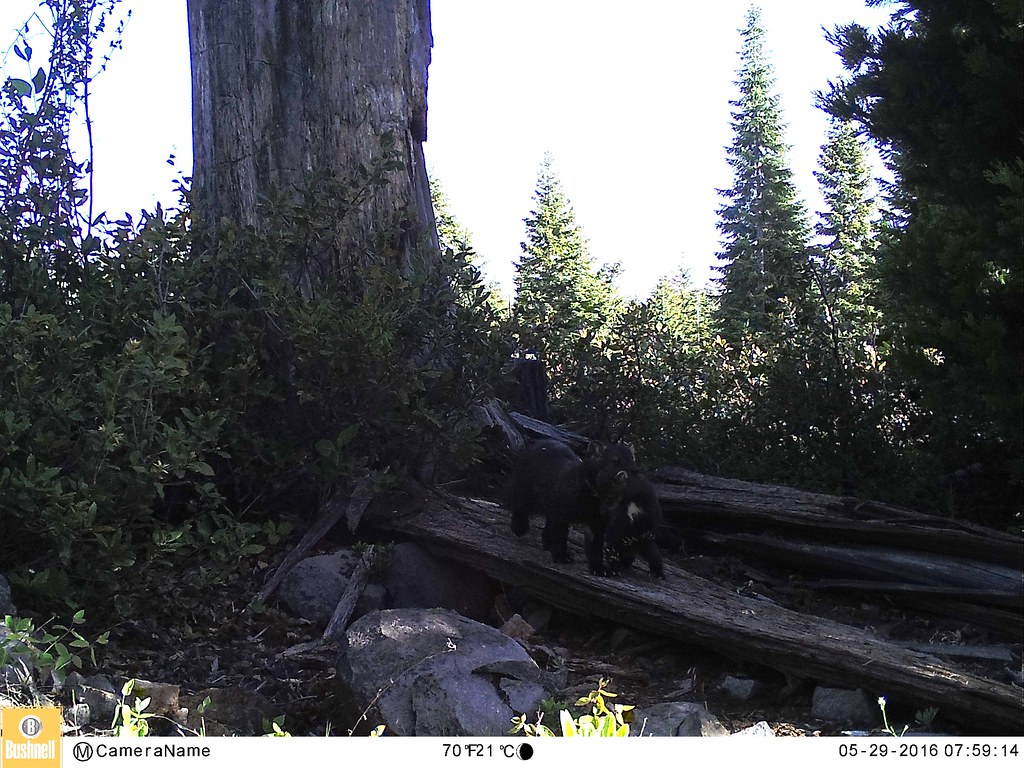
Carrasco's lab confirmed the relocation by motion-camera. The family had moved approximately 480 meters east, to a culvert under the abandoned spur of the old Richmond and Chesapeake Bay Railway. The new site was inaccessible to most pedestrians, dim, damp, and entirely unphotogenic.
Petrosky was disappointed when she found out. She had been quietly proud of the foxes and had begun to think of the vixen as a kind of guest.
Carrasco spoke with her about it for half an hour, gently, on her front porch. He had had this conversation many times.
"It is not personal," he told her. "They are doing what foxes do. We aren't supposed to be the audience. We are supposed to be the people who let them get on with it."
By the end of May, the relocated den at the culvert was still active. The kits had been seen at the entrance twice on the camera trap, both times at dusk. The vixen was hunting at night within a roughly half-mile radius, mostly rats and the occasional rabbit from a community garden two blocks away.
Carrasco's notebook for the season recorded the Greycourt den as a partial success. The kits had been born in a yard and had survived their first month. They had moved when they needed to. The lab's count of fox families in Battery Park ticked up by one.
The summer's work would be tracking dispersal. By August, the four kits would begin to leave the natal range, and one of them, if the pattern held, would establish a new den somewhere on the west side of the city, in another backyard, under another tool shed, where another homeowner would email the lab and the cycle would begin again.