The talus slope above Loveland Pass on the morning of June 4 was still streaked with patches of late snow. Renee Aoki, a biologist with the Denver Zoo's Front Range Pika Project, set her pack down on a flat granite block at 12,412 feet and pulled a stopwatch on a lanyard from her chest pocket.
She would sit for thirty minutes and count haypiles, calls, and sightings within a 50-meter radius. The protocol has not changed since 2010.
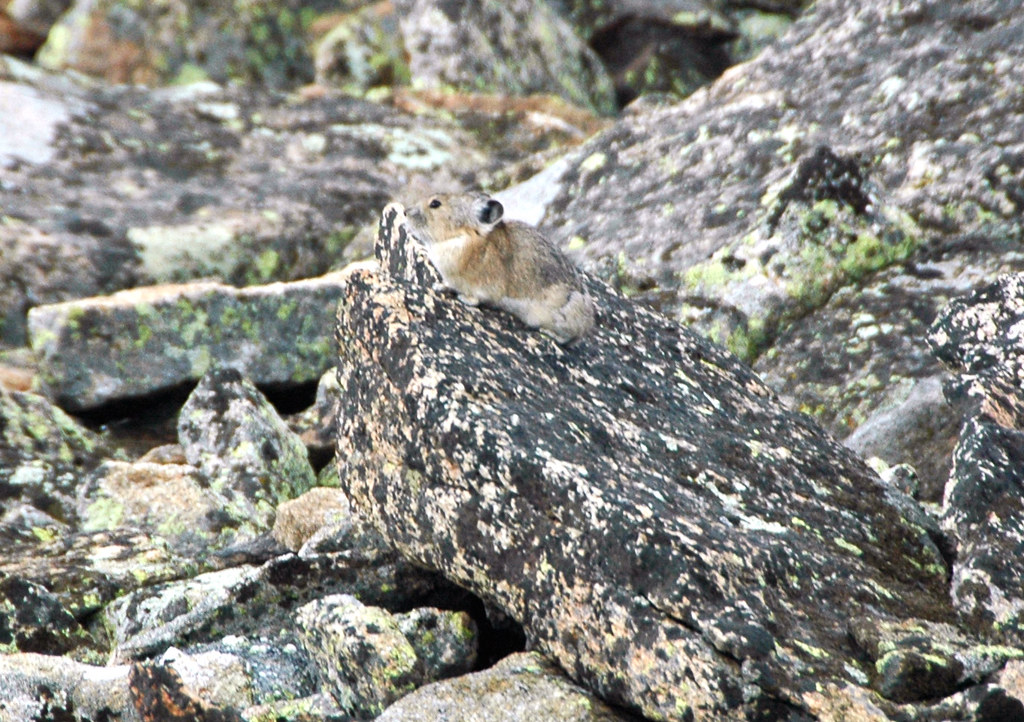
American pikas, Ochotona princeps, are small lagomorphs related to rabbits, weighing roughly six ounces. They live in talus, the broken rock fields that accumulate at the foot of alpine cliffs, and they do not hibernate. Their survival through a Colorado winter depends entirely on the haypiles they assemble across the short summer.
They are also one of the most-monitored cold-adapted mammals in North America, because they are visible from a hiking trail, they are vocal, and they are slowly losing low-elevation habitat to warming summers.
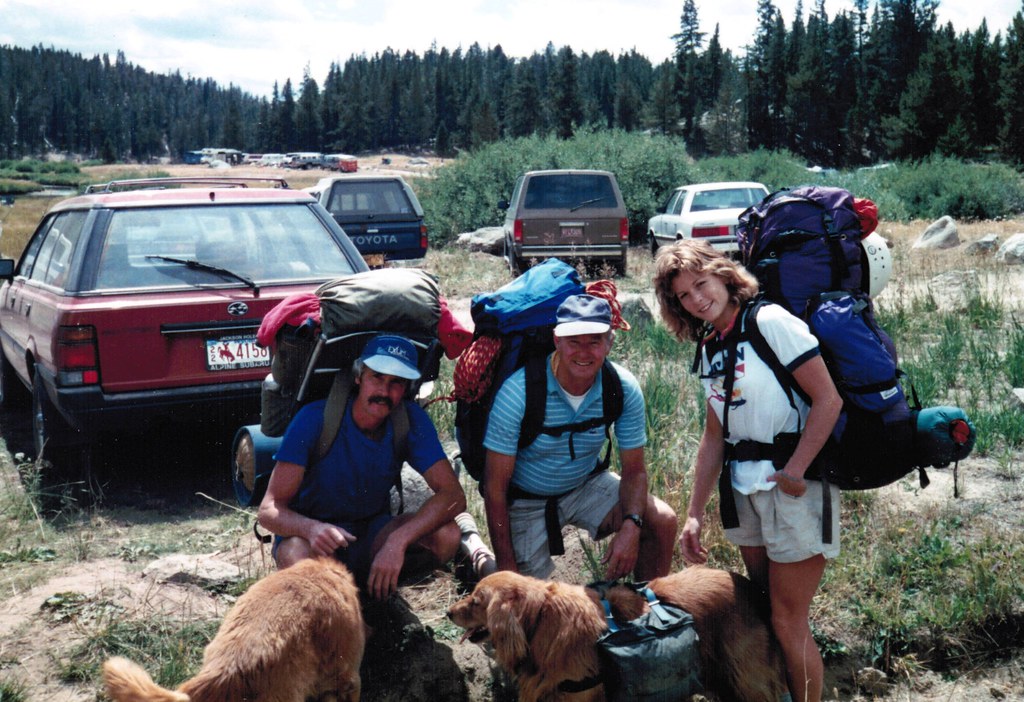
Aoki, forty-one, has been running this project since 2016. The volunteer crew that morning was four people, all unpaid, all on the mountain for three full days. They had driven up from Denver the previous afternoon and slept in a vehicle pullout on the east side of the pass.
The first call came at six minutes into the count, a clean two-syllable eep from a slab of granite about thirty meters uphill. Aoki marked the time, the bearing, and the approximate distance on a printed data sheet.
"That's the resident male of this patch," she said quietly. "He's been here at least four years. We have him on photo from 2022."
Pikas are territorial. A typical haypile is the work of a single animal, and a typical animal defends a patch of talus the size of a small suburban lot. They are visible to a careful observer; they sit on a high rock and call, again and again, mostly at intruding pikas but also at marmots, weasels, and the occasional hiker.
By the end of the thirty-minute count, Aoki had logged four individual animals, two confirmed haypiles, eleven calls, and seven sightings. The previous year's count at the same plot recorded five individuals.
The numbers, taken in isolation, mean very little. They mean something when they are stacked against twelve years of summer counts at the same eleven plots along a 22-mile stretch of the Front Range above 11,500 feet.
What that stack shows, Aoki said, is a slow upslope contraction. The two lowest plots, both at around 11,400 feet, have not produced a confirmed pika sighting since 2021. The two highest, both above 12,800, have stayed steady or grown slightly.
"It's not a crash," she said. "It's a creep. We're losing the low edge of the range and we're not gaining anything new at the top, because there is no more top."
The crew worked their way upslope through the morning. One volunteer, a retired civil engineer named Russell Pham who had been with the project since 2019, moved with the careful, hesitant footwork of someone who has slipped on talus before. He had broken a wrist on this slope in 2022.
Pham kept his own private tally in a small notebook. He estimated, generously, that he had counted pikas on this same slope on something like ninety days of his life.
"You start to recognize them," he said, sitting on a rock during a water break. "Not the individuals, exactly. The way they use a particular patch. Which rocks they pick to sit on. The way the calls travel."
By midafternoon the wind had come up and the counts grew harder. Pikas call less in wind, and the wind moves the human observer too, in small unconscious ways, so that the protocol's strict requirements of stillness become more demanding.
Aoki called the third plot at 3:40 and the crew descended for the day. They ate dinner at a picnic table at the Loveland Pass pullout, the temperature dropping below freezing as the sun went off the ridge.
The data from the three days would go into the project's database, then into the U.S. Fish and Wildlife Service's most recent five-year review of the species' status. The pika was last reviewed for federal listing in 2010 and again in 2016, and on both occasions was determined not to warrant protection. The next review is scheduled for 2027.
Aoki has testified at one of the previous reviews. She does not predict what the next one will conclude.
"I just count," she said. "That's the whole job. Somebody else has to decide what to do with the numbers. My obligation is to make sure the numbers are honest."
On the morning of day three, descending the talus toward the parking lot, the crew stopped one last time at the resident male's patch. He was sitting on the same granite slab as on day one, calling. Pham, who had been quiet most of the morning, said only, "He made it through another winter."