The South Downs Way runs a hundred miles along the chalk ridge of southern England from Eastbourne to Winchester. It is the most-walked of England's fifteen national trails. About fifty thousand people complete some section of it each year. About fifteen hundred walk it end to end.
A retired headmaster named Edward Pringle walked the twenty-one miles from Eastbourne to Lewes between May 12 and May 14, 2026. He walked it in the kind of weather the South Downs Way is not normally photographed in: low cloud, persistent drizzle, and a westerly wind of about fifteen knots.
Pringle is seventy-two. He retired in 2018 from a small independent boys' school in West Sussex and has been working his way along England's national trails in three-day sections ever since. The South Downs Way is his ninth. He has eight to go.
He began at the official trail terminus at Eastbourne, a small stone marker on the cliff path above Holywell. The day was overcast with the cloud base at about a hundred and fifty metres. The Seven Sisters, the famous chalk cliffs of the South Downs's eastern end, were largely in cloud.
The first day's walk was Eastbourne to Alfriston, eleven miles. It crosses the Seven Sisters, the chalk cliffs from which the white cliffs of Dover are descended geologically and visually. In good weather the cliff walk is one of the iconic views of southern England. In low cloud it is a different experience.
Pringle, who has walked the Seven Sisters perhaps a dozen times over his life, said the cloud actually improved the walk. The cliffs in mist are less of a spectacle and more of a presence. The sea, eighty metres below, is heard rather than seen. The chalk underfoot is slick and white and slightly luminous in low light.
He stopped for lunch at the Birling Gap National Trust cafe, which sits on the cliff edge at the foot of the Seven Sisters. The cafe was quiet. He ate a bowl of vegetable soup and a slice of fruit cake and dried his coat on the radiator for forty minutes.
From Birling Gap the path climbs over Beachy Head, descends to Cuckmere Haven, and follows the meandering Cuckmere River inland for two miles before climbing the down again at Friston Forest. He reached Alfriston at five in the afternoon.
Alfriston is a village of about eight hundred people on the Cuckmere River. It has a fourteenth-century church, a fifteenth-century pub, the George Inn, and a small National Trust property, the Clergy House, which was the first property the Trust ever acquired, in 1896. Pringle stayed at the George.
He had dinner in the pub, a pie of lamb and rosemary with mashed potatoes, and a half of bitter. He read for an hour by the fire and was in bed by ten.
The second day was Alfriston to Southease, eight miles. The walking is on the open down for almost the whole distance, with long views north over the Weald and south to the sea. In low cloud he saw neither. He saw the chalk path under his feet, the wet grass to either side, and an occasional flock of sheep emerging from the mist at fifty metres.
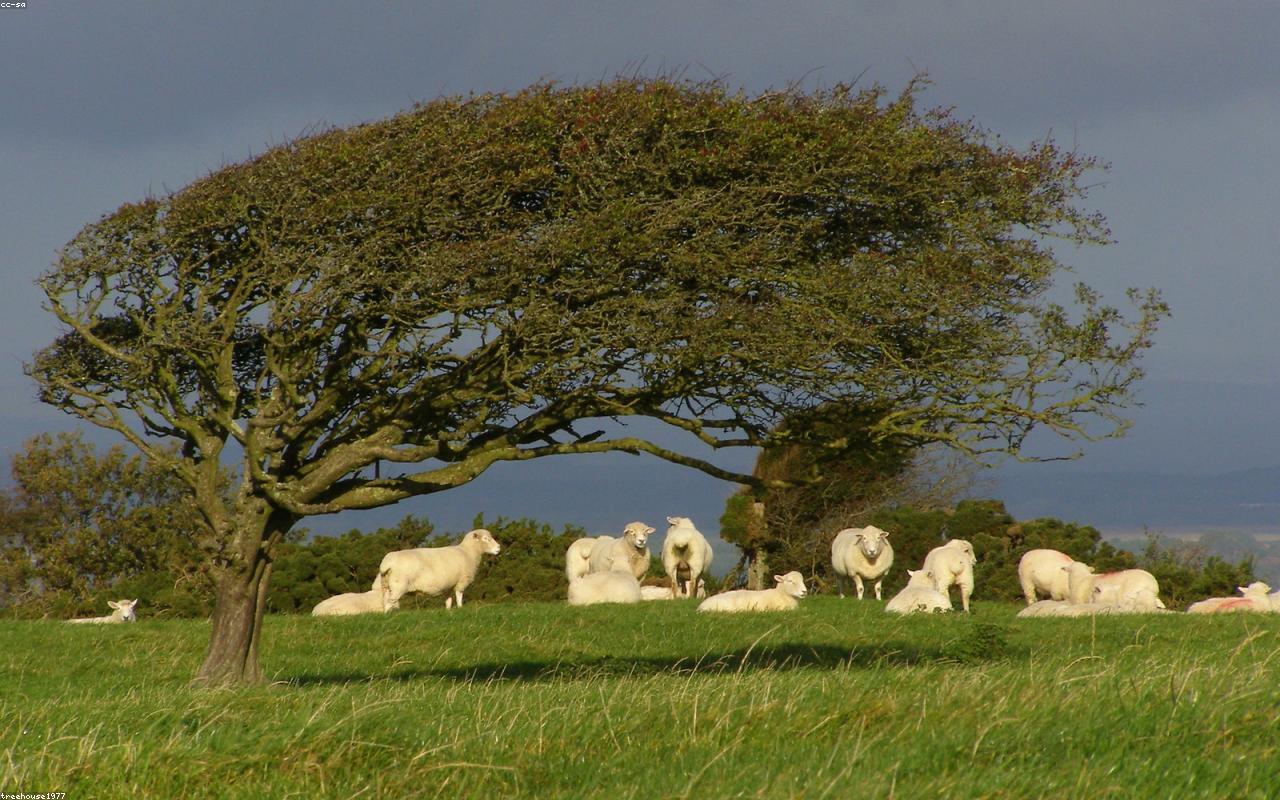
The South Downs are sheep country. The grazing of these chalk grasslands by sheep, for nine thousand years, has produced the short, herb-rich turf that is one of the most botanically distinctive habitats in England. In May the turf is full of horseshoe vetch, bird's-foot trefoil, milkwort, and several species of orchid.
Pringle stopped twice on the open down to identify flowers with a small Collins field guide. He found common spotted orchid in flower, and one early purple orchid past its peak. He noted them in a small green notebook.
At Southease, a village of forty-one people, he crossed the Ouse River on a footbridge and reached the YHA hostel at three in the afternoon. The hostel occupies the former vicarage and a row of outbuildings. It was about a third full.
He shared a four-bed dorm with two German cyclists who were riding the South Downs Way by bicycle. They spoke English better than he spoke German. They had a long conversation about the relative merits of trail design for walkers and for cyclists.
The third day was Southease to Lewes, six miles. Pringle described it as a half-day walk on a full day. The path climbs steeply out of Southease, crosses the open down above Itford Hill, and descends gradually into the Ouse valley at Lewes.
The weather cleared on the third morning. He had his only sunshine of the three days from Itford Hill to the descent into Lewes. He could see Mount Caburn ahead, the small chalk hill east of Lewes that bears an Iron Age hillfort and several scheduled monuments.
He reached Lewes at half past eleven. He had lunch at a cafe on Cliffe High Street and caught the train back to Eastbourne. He was home in West Sussex by four in the afternoon.
His notebook, by the end of the three days, contained twelve pages of observations, including the names of seventeen plants in flower, the price of a half of bitter at the George Inn, and a short description of the way chalk smells in rain.
He plans to walk the next section, Lewes to Pyecombe, in September. He hopes for similar weather. He is, he says, the only walker he knows who specifically books his national trails in the rainy months.